
Our first AI agent was not an employee. It was a very confident intern
It was meant to manage tasks, retain context and deliver results. First, we had to teach it when to say: I do not know.
- AI agents
- automation
- quality
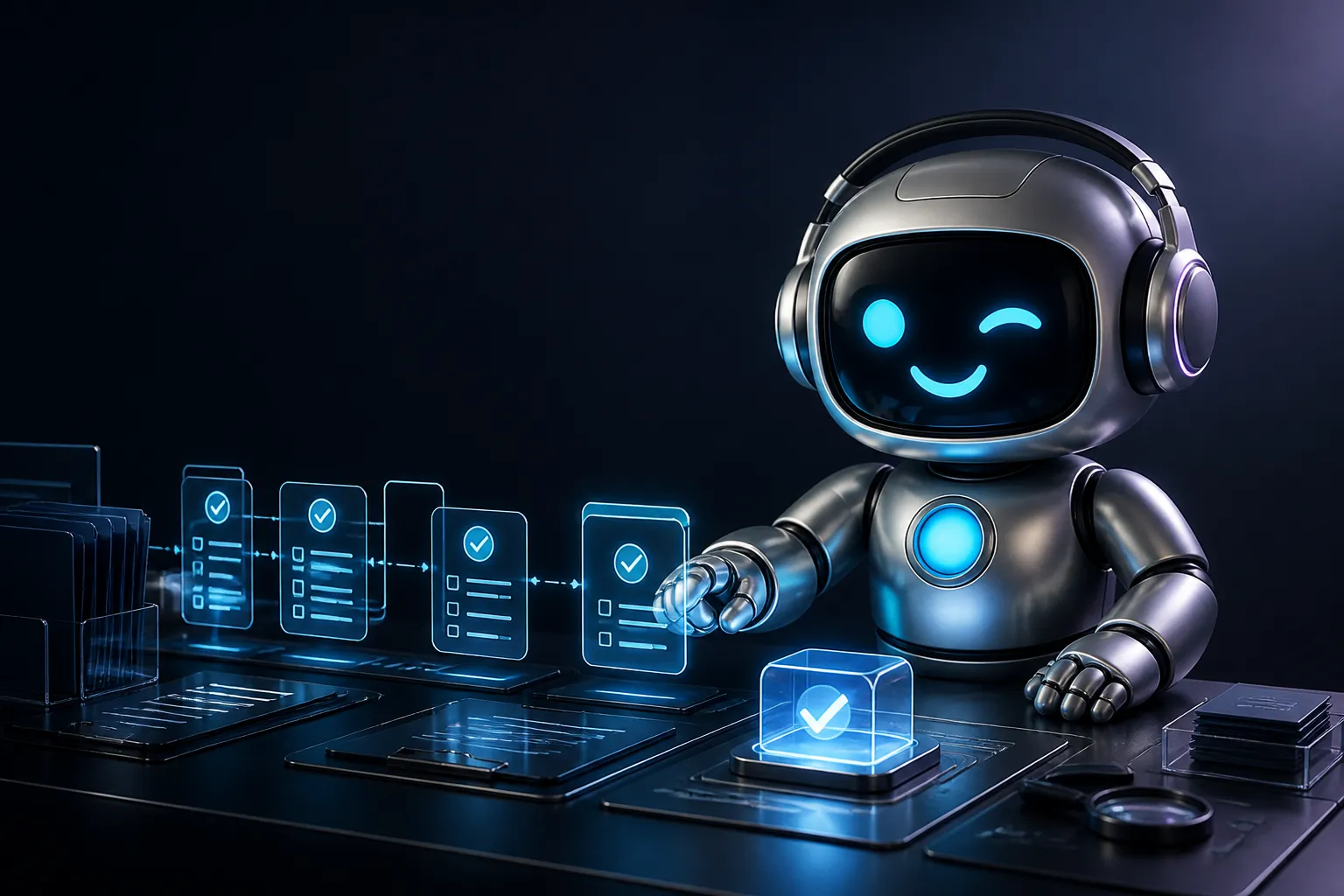
The concrete detail comes first, the conclusion second. Below we show the reasoning, its limits and what this story can genuinely add to your own work.
The original plan sounded simple: provide a goal, let the agent select its tools and wait for a finished result. We quickly learned that autonomous does not mean accountable.
What went wrong
Early attempts produced plenty of activity but too little evidence. Plans looked professional, tests were often symbolic, and “done” appeared before anyone had inspected the result.
The change that mattered
We introduced a mission contract: a deliverable, acceptance criteria, operating boundaries and evidence. The agent can still complete many steps, but it cannot confuse a generated file with a working product.
That distinction changed the system. Specialists now have narrow responsibilities, while one coordinating layer checks whether the pieces form a useful whole.
The lesson
The best agent is not the one that talks the most. It is the one that leaves behind a result another person can verify.
ColumnsAn AI agent is not an employee — and that is a good thing
A column on why AI agents need goals, boundaries and evidence while people remain responsible for decisions and outcomes.
Read the storyColumnsA prompt is not a product. A good answer is not yet a working tool
Why an impressive model response cannot replace interface design, testing, error handling and responsibility for the result.
Read the story