
An AI agent is not an employee — and that is a good thing
A column on why AI agents need goals, boundaries and evidence while people remain responsible for decisions and outcomes.
- AI agent
- automation
- responsibility
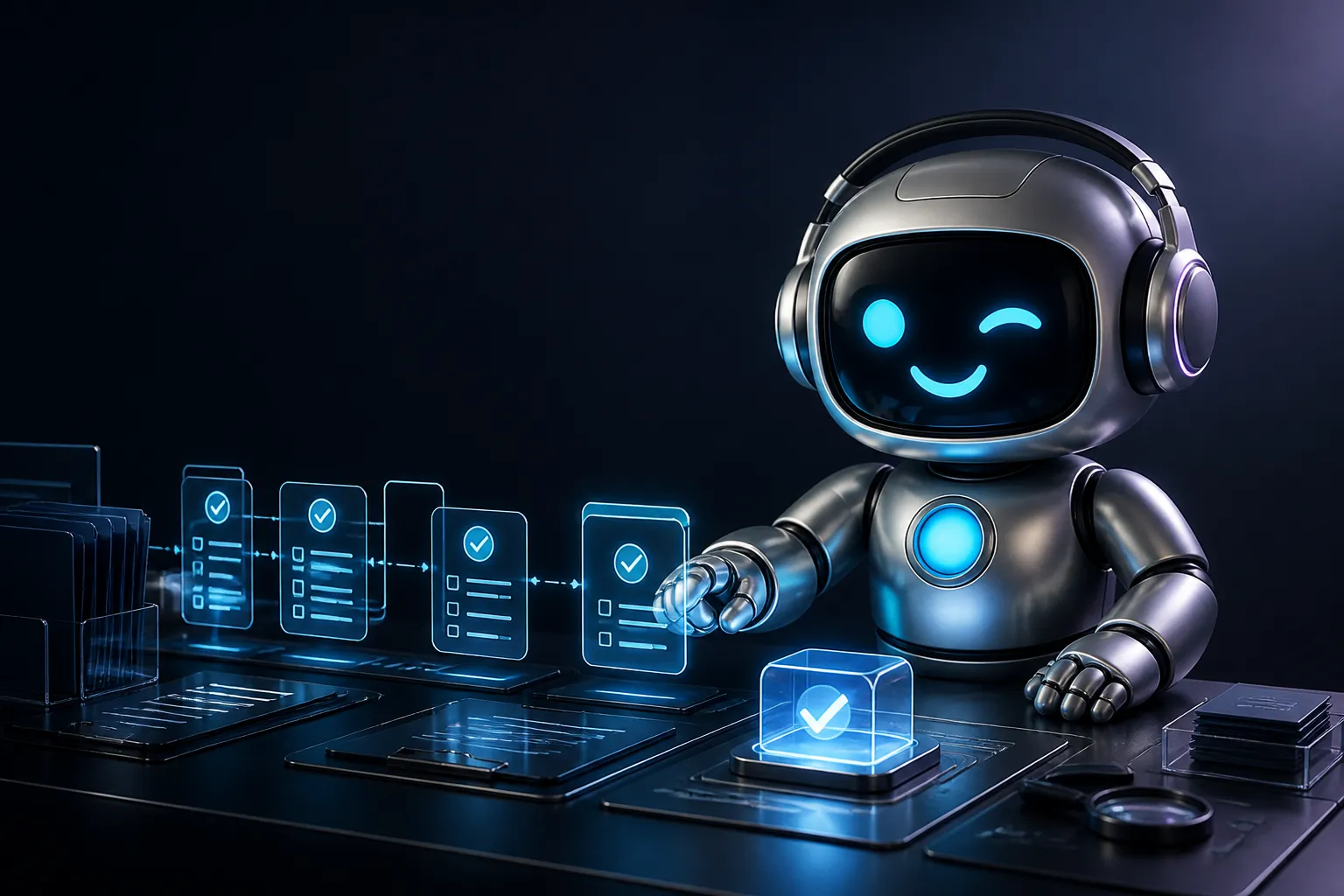
The concrete detail comes first, the conclusion second. Below we show the reasoning, its limits and what this story can genuinely add to your own work.
It is easy to sell an AI agent as a digital employee. The problem is that an employee understands the consequences of a decision, while a language model mainly predicts a plausible continuation.
This is not an argument against agents. It is an argument for calling them what they are.
An amplifier, not an owner
With a clear goal, current data and acceptance criteria, an agent can accelerate research, drafting, testing and documentation. In a chaotic process, it will amplify the chaos with impressive confidence.
The useful boundary is responsibility. An agent may prepare a campaign, but a person approves publication. It may analyse test results, but it cannot invent missing measurements. It may write code, but “done” requires a working artefact and evidence.
An agent becomes valuable when the surrounding system knows when to stop it, verify it and ask for a human decision.
ColumnsA prompt is not a product. A good answer is not yet a working tool
Why an impressive model response cannot replace interface design, testing, error handling and responsibility for the result.
Read the story Columns
SEO-friendly without magic: what actually helps in Google Search
People-first content and technical SEO without myths: titles, descriptions, schema, sitemaps, authorship and performance.
Read the story